
Stop the Pain and Keep Your Natural Tooth
When the pulp inside a tooth becomes infected or damaged from deep decay, a crack, or an injury, the result is often throbbing pain that doesn’t go away on its own. At Sterling Virginia Smiles in Sterling, VA , our dentists use root canal therapy to remove the source of infection, relieve your discomfort, and preserve the tooth you already have, so you can chew, smile, and speak comfortably again.
Request an AppointmentWhat Is a Root Canal?
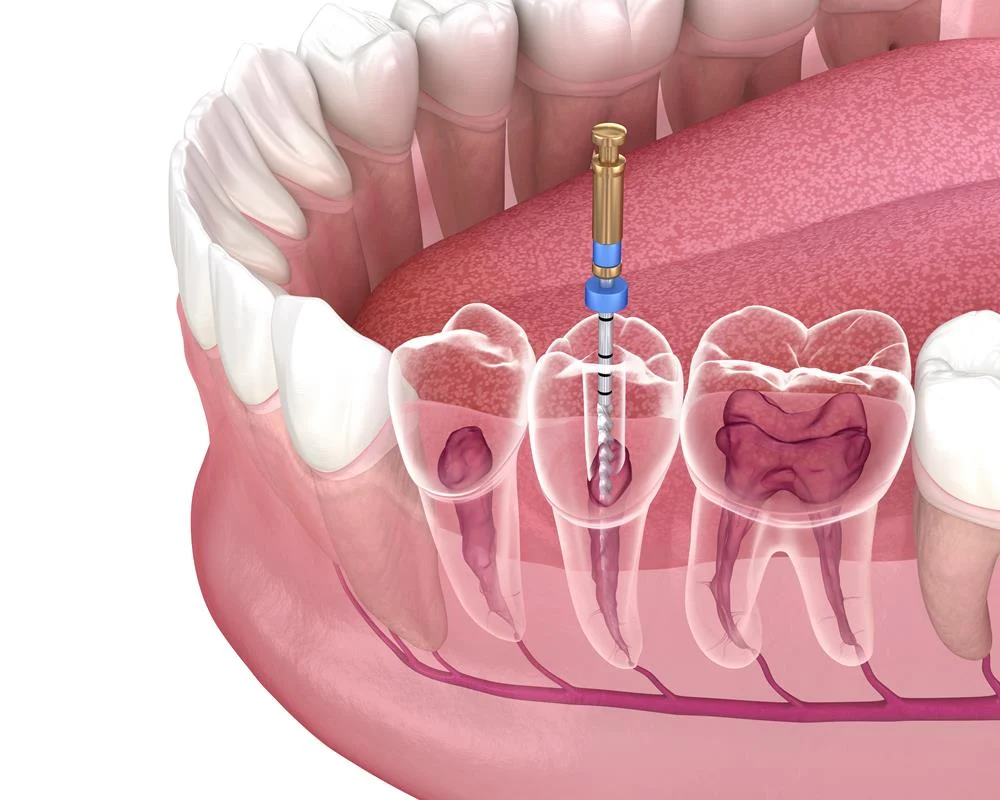
Every tooth has a soft inner core called the pulp. It contains nerves, blood vessels, and connective tissue, and it runs from the crown of the tooth down through narrow channels in the roots. When bacteria reach the pulp through a deep cavity, a crack, or repeated dental work, or when a tooth is injured, the pulp can become inflamed or infected. Because the pulp sits inside hard enamel and dentin, the swelling has nowhere to go, which is why an infected tooth can be so painful.
During root canal therapy, your dentist removes the damaged pulp, carefully cleans and disinfects the inside of the tooth and its canals, then fills and seals the space to keep bacteria out. In most cases, a dental crown is placed afterward to protect the treated tooth and restore its full strength, function, and appearance.
Why Root Canal Treatment Matters
An infected pulp will not heal by itself. Without treatment, the infection can spread to the bone and tissue around the root, causing an abscess, swelling, and more severe pain. Over time, the tooth may be lost entirely. Root canal therapy allows you to:
- Relieve tooth pain caused by infection or inflammation
- Stop infection from spreading to surrounding bone, gums, and neighboring teeth
- Keep your natural tooth instead of having it extracted
- Maintain normal biting and chewing
- Avoid the bone loss and shifting teeth that can follow a missing tooth
Signs You May Need a Root Canal
Not every infected tooth hurts, which is why regular checkups are so important. However, you should call your Sterling dentist promptly if you notice any of the following:
- Severe or persistent toothache, especially when chewing or applying pressure
- Lingering sensitivity to hot or cold after the source is removed
- Swelling or tenderness in the gums near a tooth
- A pimple-like bump on the gums that may drain
- Darkening or discoloration of a single tooth
- A cracked or chipped tooth, or a tooth injured in an accident
Early diagnosis gives us the best chance to save the tooth and keep treatment simple.
What to Expect During Treatment
Root canal therapy has an unfair reputation. With modern techniques and local anesthesia, most patients say the procedure feels similar to having a filling placed, and it brings relief from the pain that brought them in. Here is how treatment typically works:
- Examination and imaging: We examine the tooth and take X-rays to see the shape of the canals and the extent of the infection.
- Numbing: The area is thoroughly numbed so you stay comfortable. Anxious patients can ask about our sedation dentistry options.
- Cleaning the canals: A small opening is made in the tooth, and the infected pulp is removed. The canals are then shaped and disinfected.
- Filling and sealing: The canals are filled with a biocompatible material and the opening is sealed.
- Restoring the tooth: A temporary filling protects the tooth until a permanent dental crown is placed to strengthen it for years of use.
Recovery and Aftercare
It is normal for the tooth to feel tender for a few days after treatment, and over-the-counter pain relievers usually manage this well. Avoid chewing hard foods on the treated tooth until your final crown is in place. Brush, floss, and keep up with routine dental visits, and a tooth treated with a root canal can last a lifetime.
Root Canal Questions From Our Patients
Does a root canal hurt?
Most patients feel very little during the procedure because the tooth is fully numbed beforehand. The procedure is designed to relieve the pain caused by infection, so many people feel much better afterward. Some tenderness for a few days is normal and usually managed with over-the-counter pain relievers.
How long does root canal therapy take?
Many root canals can be completed in one visit of about one to two hours, depending on the tooth and how many canals it has. Teeth with complex roots or severe infection may need a second appointment. A separate visit is usually scheduled to place the permanent crown.
Do I need a crown after a root canal?
In most cases, yes. Back teeth in particular take heavy chewing forces, and a crown protects the treated tooth from cracking while restoring its natural look and function. Your dentist will let you know the best restoration for your specific tooth.
Is it better to pull the tooth instead?
Keeping your natural tooth is almost always the preferred option. Extraction leaves a gap that can cause neighboring teeth to shift and the jawbone to shrink, and replacing the tooth with an implant or bridge is often more involved. If a tooth cannot be saved, we will discuss extraction and replacement options with you.
What happens if I wait to get a root canal?
An infected pulp does not heal on its own. Waiting can allow the infection to spread into the bone, form an abscess, and cause more pain and swelling. Delaying treatment also increases the chance that the tooth can no longer be saved.
How long does a tooth last after a root canal?
With a well-fitted crown, good brushing and flossing, and regular dental checkups, a tooth treated with root canal therapy can last for many years and often a lifetime.
Can I be sedated for my root canal?
Yes. If you feel nervous about dental treatment, Sterling Virginia Smiles offers sedation dentistry options to help you relax. Talk with our team when you schedule so we can plan a comfortable visit.
Get Relief From Tooth Pain Today
Don’t let an infected tooth keep you in pain. The sooner it is treated, the better the chance of saving it. Call Sterling Virginia Smiles at (703) 444-3710 or request an appointment online, and our team in Sterling, VA will help you feel comfortable again.
